

Packaging engineering determines whether your coconut charcoal arrives intact or becomes a costly insurance claim. After shipping thousands of tons to 15 countries over the past decade, we’ve learned that proper packaging design prevents 95% of transit damage while optimizing container space and handling efficiency.
Here’s what matters when designing export packaging for coconut shell charcoal briquettes.
Why Packaging Engineering Matters for Charcoal Exports
Coconut charcoal briquettes face unique transit challenges. The product is heavy, relatively fragile under pressure, and sensitive to moisture exposure. A 20-foot container holds 18-22 tons depending on packaging configuration. Poor packaging design leads to crushed cartons, broken briquettes, moisture damage, and reduced product value at destination.
We’ve seen importers reject entire shipments because of packaging failures that occurred during ocean transit. One European distributor lost €12,000 when inadequate inner bags allowed moisture penetration during a three-week voyage. The charcoal arrived unusable despite surviving physical handling intact.
Professional packaging engineering prevents these failures while maximizing your investment in container space.
Carton Design and Specifications
Export cartons serve as the primary structural unit for coconut charcoal shipments. Proper carton design balances protection, weight capacity, and handling efficiency.
Carton material specifications:
Carton construction varies by weight capacity. Standard 20kg cartons use five-layer corrugated cardboard for adequate strength under higher loads. This configuration includes two flat linerboards with three layers of corrugated medium, creating crush resistance up to 200 kg per square meter.
Most 10kg cartons use three-layer corrugated cardboard, which balances cost efficiency with sufficient protection for lighter loads. While five-layer construction offers superior strength, the three-layer specification performs adequately for 10kg products under typical stacking and handling conditions.
The cardboard grade matters significantly. AB-flute corrugation provides optimal strength-to-weight ratio, while BC-flute offers good performance at lower cost. Most exporters choose BC-flute for its economic advantage—typically 15-20% less expensive than AB-flute while maintaining acceptable structural integrity through humidity exposure, repeated handling, and 4-5 layer stacking in containers.
Standard carton sizes:
10kg cartons (40cm x 30cm x 20cm) remain the most common configuration for hookah and BBQ charcoal exports. This size fits efficiently on standard 1100mm x 1000mm pallets—the practical maximum width for double-row container loading. Pallets measuring 1200mm width cannot accommodate side-by-side positioning within standard container widths.
Four cartons stack per pallet layer, with typical configurations using multiple layers for total pallet weights of approximately 600kg. A standard 40-foot container accommodates 40 pallets arranged in two-tier, 10-row double configuration (20 pallets per tier). With maximum 40-foot container capacity around 25 tons, this pallet weight distribution optimizes space utilization while maintaining safe handling limits.
20kg cartons (50cm x 35cm x 25cm) work well for high-volume buyers with forklift handling capabilities. These larger units reduce per-kilo packaging costs but require mechanical handling throughout the distribution chain. Many Middle Eastern importers prefer this configuration for direct delivery to large shisha lounges.
Carton closure methods:
Industrial-grade adhesive tape provides reliable closure for bottom and top flaps. Use tape rated for 60kg tensile strength minimum, applied in H-pattern configuration across all flap intersections. This prevents separation during handling and transit vibration.
Some exporters use metal staples for additional security. This works well for high-value shipments but adds labor time during packing operations. Most professional operations find proper tape application sufficient when combined with correct inner bag sealing.
Read: Charcoal Shipping: A Complete Guide for Exporters
Inner Bag Engineering
Inner bags protect charcoal from moisture exposure and contain broken pieces that may result from transit stress. This component often determines whether your product arrives market-ready or requires repackaging.
Material specifications:
Food-grade HDPE (high-density polyethylene) bags with 50-80 micron thickness provide optimal moisture protection. Thinner bags save costs but tear easily during handling. Thicker bags offer no performance advantage while increasing packaging expenses unnecessarily.
The bag should include a moisture barrier rating of 0.5g/m²/24hr or lower. This specification prevents humidity penetration during typical 25-35 day ocean transit periods. Standard LDPE bags without moisture barrier properties allow gradual water absorption that degrades charcoal quality.
Sealing methods:
Heat sealing creates the most reliable closure for inner bags. Industrial heat sealers operating at 180-220°C produce consistent seals that resist separation under product weight and handling stress. The seal width should measure 10-12mm to ensure adequate bond strength.
Twist-tie closures work for small sample shipments but fail consistently in commercial export volumes. We stopped using this method after moisture-related claims increased our rejection rate by 8% across European shipments.
Bag sizing:
Inner bags should allow 5-8cm clearance beyond the charcoal volume to permit proper sealing without product interference. For 10kg cartons, this translates to bags measuring approximately 45cm x 35cm. The extra space lets packers remove air before sealing, which reduces internal movement during transit.
Some exporters use vacuum-sealed inner bags for premium products. This approach maximizes protection and extends shelf life but requires specialized equipment and adds 15-20% to packaging costs. High-value markets like Germany and Japan often justify this investment.
Read: Coconut Charcoal Briquettes for UAE: Premium Indonesian Export for Emirates Markets
Pallet Configuration and Standards
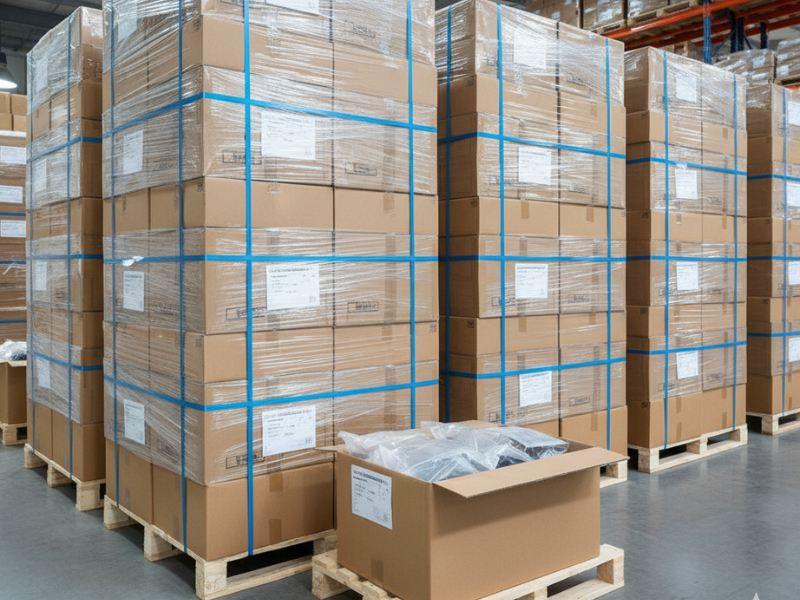
Proper palletization organizes cartons for efficient container loading while providing structural support during stacking and transit.
Pallet specifications:
Four-way entry wooden pallets measuring 1100mm x 1000mm accommodate most container configurations efficiently. These dimensions allow forklift or hand-pallet access from all sides, which speeds loading and unloading operations at both origin and destination.
Pallet wood should meet ISPM-15 requirements for international shipping. This means heat treatment or methyl bromide fumigation to prevent pest transfer between countries. Non-compliant pallets face rejection at customs, causing shipment delays and additional expenses.
Load configuration:
10kg cartons arrange in 4-per-layer patterns on standard 1200mm x 1000mm pallets. Five layers (20 cartons, 200kg total) provide stable height without exceeding safe manual handling limits. Six layers (240kg) work for operations with consistent forklift handling.
20kg cartons typically stack 2-per-layer for four layers (160kg total) or five layers (200kg) depending on destination handling capabilities. Higher stacks increase tipping risk during forklift operations and complicate manual breakdown at retail locations.
Securing methods:
Stretch wrap provides primary pallet security in most charcoal exports. Use minimum 500mm width stretch film with 200% elongation, applying 8-10 layers from pallet base to load top. The wrap should extend 10cm below the pallet top surface to secure bottom carton layers effectively.
Some buyers require corner board reinforcement for additional protection. These vertical cardboard or plastic strips at each pallet corner prevent stretch wrap compression that can damage cartons. This specification adds costs but eliminates transit damage in rough handling environments.
Read: Coconut Charcoal Briquettes for United Kingdom: Premium Indonesian Import for British Markets
Strapping Systems
Strapping secures palletized loads and reinforces container stacking to prevent shifting during ocean transit.
Strapping material options:
Polypropylene (PP) strapping offers the best value for coconut charcoal exports. 12mm width straps with 200kg breaking strength handle typical pallet loads safely. This material resists moisture and maintains tension throughout ocean transit better than steel strapping.
Polyester (PET) strapping provides superior strength (300kg breaking strength) for heavy loads or rough handling routes. The higher cost makes sense for premium shipments or destinations with known handling challenges. Some African and South American ports warrant this investment based on our damage claim history.
Strapping patterns:
Standard pallet strapping uses two bands in parallel configuration, positioned at one-third and two-thirds of pallet length. This distributes compression forces evenly across the load. Add cross-pattern strapping (perpendicular bands) for loads exceeding 200kg or shipments to ports with rough handling reputations.
In-container strapping prevents entire pallet rows from shifting during transit. Position vertical straps every 2-3 pallet positions, securing loads to container anchor points. This extra step reduces damage claims significantly on long-distance routes or shipments crossing multiple climate zones.
Tensioning and sealing:
Proper strap tension matters as much as strap quality. Under-tensioned strapping allows load movement. Over-tensioned strapping crushes cartons and breaks during transit temperature changes. Use pneumatic or battery-powered strapping tools calibrated to manufacturer specifications rather than manual tensioners.
Friction-weld seals or metal seals both work reliably for polypropylene strapping. Friction-weld tools create seamless joins that maintain full strap strength. Metal seals require proper crimping technique but cost less per seal. Both methods perform well when applied correctly.
Container Loading Considerations
Packaging engineering extends to how you arrange pallets within shipping containers for optimal space utilization and load stability.
Container capacity:
A standard 20-foot container accommodates 10 pallets (1200mm x 1000mm) in single-row configuration or 20 pallets in double-row configuration with careful measurement. Most charcoal exporters use double-row loading to maximize container utilization. This requires precise pallet dimensions and careful door-end positioning to prevent jamming during unloading.
Total payload depends on packaging configuration. With 10kg cartons (5 layers per pallet), a 20-foot container holds approximately 20 tons. With 20kg cartons (5 layers per pallet), capacity drops slightly to 18-19 tons due to larger individual carton dimensions reducing per-layer density.
Load distribution:
Distribute weight evenly throughout the container length to prevent structural stress and handling difficulties. Place heavier pallets toward container center rather than concentrating weight at doors or rear wall. This balance improves container stability during crane lifting and road transport.
Some destinations require specific weight distribution for road weight limits after container arrival. European buyers often specify maximum pallet weights of 200kg to comply with manual handling regulations. Understanding these requirements during packaging design prevents costly repackaging at destination.
Climate considerations:
Containers crossing multiple climate zones face condensation risks as temperatures fluctuate. Moisture absorbers (desiccant bags) positioned throughout the container help control humidity levels during transit. Use one 1kg desiccant bag per 3-4 cubic meters of container space for ocean shipments lasting 25+ days.
Ventilated containers work well for some routes but increase moisture exposure on rainy loading days or humid transit periods. Standard dry containers with proper desiccant placement provide more reliable protection for coconut charcoal in most export scenarios.
Read: Why Coconut Charcoal is the Best Fuel for BBQ
Cost Optimization Without Compromising Quality
Packaging represents 8-12% of total export costs for coconut charcoal. Smart engineering reduces these expenses while maintaining protection standards.
Bulk purchasing benefits:
Ordering cartons and inner bags in 5,000+ unit quantities reduces per-unit costs by 20-30% compared to small batch purchases. This requires storage space and working capital but pays for itself within 2-3 container shipments for active exporters.
Supplier relationships:
Long-term agreements with packaging suppliers ensure consistent quality and priority service during high-volume seasons. We work with the same carton manufacturer we started with in 2010. They understand our specifications and maintain stock specifically for our production schedules.
Packaging testing:
Drop tests, compression tests, and moisture exposure tests validate packaging designs before committing to large orders. Testing 20 sample cartons costs less than a single rejected container. Most packaging suppliers provide testing services or can recommend certified testing facilities.
Real-World Performance Data
Proper packaging engineering delivers measurable results. Our damage claim rate dropped from 4% to under 0.5% after implementing engineered packaging specifications in 2015. This improvement saved approximately $18,000 annually in replacement costs and preserved customer relationships that might have ended after quality complaints.
One UAE importer increased his order frequency from quarterly to monthly after we solved his moisture damage problems through improved inner bag specifications. The packaging investment added $0.08 per kilogram to our costs but eliminated the 3-5% product loss he previously experienced on every shipment.
Getting Packaging Right From the Start
Export packaging engineering requires understanding both product characteristics and destination requirements. Coconut charcoal needs moisture protection, structural support, and handling convenience throughout the supply chain from production facility to end user.
Our team helps international buyers specify packaging that matches their handling capabilities, storage conditions, and market requirements. We’ve shipped to warehouse operations with full forklift capabilities and to small distributors handling cartons manually. The right packaging design makes both scenarios work efficiently.
Ready to discuss packaging specifications for your coconut charcoal imports? Contact us today to review your requirements and develop an optimal packaging solution.